Buy satellit.eu ?
We are moving the project
satellit.eu .
Are you interested in purchasing the domain
satellit.eu ?
domain@kv-gmbh.de · 0541-91531010
Buy satellit.eu ?
What is the heliocentric model in physics?
The heliocentric model in physics is a theory that places the Sun at the center of the solar system, with the planets, including Earth, orbiting around it. This model was proposed by Nicolaus Copernicus in the 16th century, challenging the previously accepted geocentric model, which placed Earth at the center of the universe. The heliocentric model provided a more accurate explanation of the movements of the planets and stars, and it laid the foundation for our modern understanding of the solar system. This model has been confirmed and refined through centuries of scientific observation and experimentation. **
What are the heliocentric and geocentric worldviews?
The heliocentric worldview is the belief that the Sun is at the center of the solar system, with the planets, including Earth, orbiting around it. This model was proposed by Nicolaus Copernicus in the 16th century and later supported by Galileo Galilei and Johannes Kepler. In contrast, the geocentric worldview is the belief that Earth is at the center of the universe, with the Sun, planets, and stars revolving around it. This model was widely accepted in ancient times, with Ptolemy's geocentric model being the most influential. **


Similar search terms for Heliocentric
Top-Angebote
Products related to Heliocentric:
-
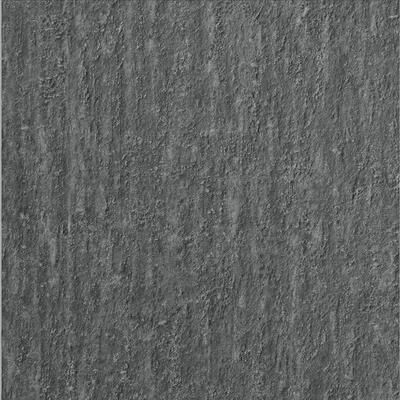
Graham & Brown Orbit Deep Silver WallpaperCreate a calming atmosphere by using Orbit Deep Silver wallpaper. Created with a luxurious silver and gray palette, this beautiful heavyweight wallpaper is ideal for using on all four walls to create a sumptuous haven.170,00 $*Shipping: 0,00 $Secure redirect to the provider
-
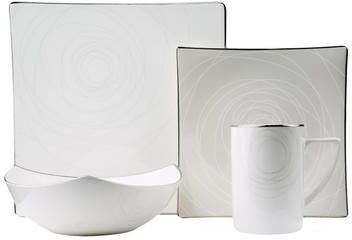
Red Vanilla Orbit 4Pc Place SettingTurn your dinner from nice to unforgettable with this four-piece place setting that features high-quality bone china construction for lasting beauty. This setting features an elegant white-and-gold finish to complement your dining area decor.119,49 $*Shipping: 0,00 $Secure redirect to the provider
-
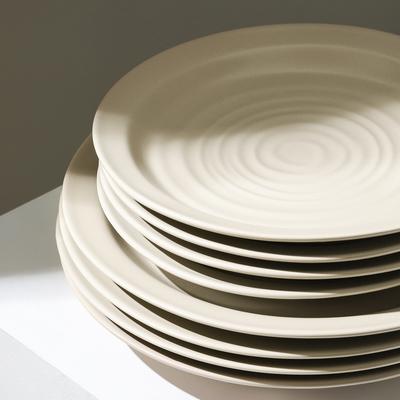
Stone Lain Orbit Stoneware Dinnerware SetStone Lain Orbit 16-Piece Round Stoneware Dinnerware Set, Service for 4 with Dinner Plates, Salad Plates, Bowls & Mugs, Durable Ceramic Kitchen Tableware, Dishwasher & Microwave Safe - New Bring coordinated style and functionality to your table with...109,99 $*Shipping: 0,00 $Secure redirect to the provider
-
Stone Lain Orbit Stoneware Dinnerware SetModern sophistication pairs effortlessly with natural style in Orbit, a stoneware dinnerware collection by Stone Lain. Orbit's circular patterning, matte finish and earthy colorways create an overall look that's all about understated flair.101,99 $*Shipping: 0,00 $Secure redirect to the provider

-
What are the differences between the geocentric and heliocentric worldviews?
The geocentric worldview, popular in ancient times, believed that the Earth was the center of the universe and that all celestial bodies, including the sun, revolved around it. In contrast, the heliocentric worldview, proposed by Copernicus and later supported by Galileo and Kepler, asserts that the sun is at the center of the solar system and that the planets, including Earth, revolve around it. The heliocentric model provided a more accurate explanation of the movements of celestial bodies and eventually replaced the geocentric model as the dominant worldview in astronomy. **
-
What are important features of the geocentric and heliocentric worldviews?
The geocentric worldview places the Earth at the center of the universe, with the sun, moon, and planets orbiting around it. This model was widely accepted in ancient times and was supported by the observations of the apparent motion of celestial bodies. On the other hand, the heliocentric worldview places the sun at the center of the solar system, with the Earth and other planets orbiting around it. This model was proposed by Nicolaus Copernicus in the 16th century and was later supported by the observations of Galileo and Kepler. The heliocentric model provided a more accurate explanation of the motion of celestial bodies and laid the foundation for modern astronomy. **
-
What is the difference between the geocentric and heliocentric worldviews?
The geocentric worldview is the belief that the Earth is at the center of the universe, with the sun, moon, and stars revolving around it. This was the dominant view in ancient times and was supported by the work of Ptolemy. In contrast, the heliocentric worldview, proposed by Copernicus and later supported by Galileo and Kepler, asserts that the sun is at the center of the solar system, with the planets, including Earth, orbiting around it. The heliocentric model eventually replaced the geocentric model as the dominant scientific understanding of the solar system. **
-
What are the characteristics of the heliocentric model of the universe?
The heliocentric model of the universe places the Sun at the center, with the planets, including Earth, orbiting around it. This model was proposed by ancient Greek astronomer Aristarchus and later popularized by Copernicus. In this model, the Earth is just one of several planets in the solar system, moving around the Sun in elliptical orbits. The heliocentric model helped to explain the observed motions of the planets more accurately than the geocentric model, which placed Earth at the center of the universe. **


What is the difference between the heliocentric and geocentric models in astronomy?
The heliocentric model in astronomy places the Sun at the center of the solar system, with the planets, including Earth, orbiting around it. In contrast, the geocentric model places Earth at the center of the universe, with the Sun and other celestial bodies orbiting around it. The heliocentric model was proposed by Nicolaus Copernicus in the 16th century, challenging the long-held geocentric view. This shift in perspective revolutionized our understanding of the cosmos and laid the foundation for modern astronomy. **
What are the 20 similarities and differences between the geocentric and heliocentric worldviews?
The geocentric and heliocentric worldviews both attempt to explain the organization of the solar system. Both models involve the planets orbiting around a central point. However, the key difference lies in the center of the system - geocentrism places Earth at the center, while heliocentrism places the Sun at the center. Other differences include the complexity of the models, the ability to predict planetary movements accurately, and the impact on scientific understanding and progress. **
Top-Angebote
Products related to Heliocentric:
-
RLF Home Orbit Regal Valance"RLF Home Orbit Geometric Regal Valance. Fits window up to 48""W. Add multiples for wider windows. Use a 2-1/2"" Continental rod, a regular 3/4"" rod, tension rod or decorative pole no more than 1-3/8"" diameter (NOT INCLUDED)."62,99 $*Shipping: 0,00 $Secure redirect to the provider
-
Graham & Brown Orbit White Grey WallpaperCreate a calming atmosphere by using Orbit White Grey wallpaper. Created with a luxurious white and grey palette, this beautiful heavyweight wallpaper is ideal for using on all four walls to create a sumptuous haven.170,00 $*Shipping: 0,00 $Secure redirect to the provider
-
Graham & Brown Orbit Deep Silver WallpaperCreate a calming atmosphere by using Orbit Deep Silver wallpaper. Created with a luxurious silver and gray palette, this beautiful heavyweight wallpaper is ideal for using on all four walls to create a sumptuous haven.170,00 $*Shipping: 0,00 $Secure redirect to the provider
-
Red Vanilla Orbit 4Pc Place SettingTurn your dinner from nice to unforgettable with this four-piece place setting that features high-quality bone china construction for lasting beauty. This setting features an elegant white-and-gold finish to complement your dining area decor.119,49 $*Shipping: 0,00 $Secure redirect to the provider
-
What is the heliocentric model in physics?
The heliocentric model in physics is a theory that places the Sun at the center of the solar system, with the planets, including Earth, orbiting around it. This model was proposed by Nicolaus Copernicus in the 16th century, challenging the previously accepted geocentric model, which placed Earth at the center of the universe. The heliocentric model provided a more accurate explanation of the movements of the planets and stars, and it laid the foundation for our modern understanding of the solar system. This model has been confirmed and refined through centuries of scientific observation and experimentation. **
-
What are the heliocentric and geocentric worldviews?
The heliocentric worldview is the belief that the Sun is at the center of the solar system, with the planets, including Earth, orbiting around it. This model was proposed by Nicolaus Copernicus in the 16th century and later supported by Galileo Galilei and Johannes Kepler. In contrast, the geocentric worldview is the belief that Earth is at the center of the universe, with the Sun, planets, and stars revolving around it. This model was widely accepted in ancient times, with Ptolemy's geocentric model being the most influential. **
-
What are the differences between the geocentric and heliocentric worldviews?
The geocentric worldview, popular in ancient times, believed that the Earth was the center of the universe and that all celestial bodies, including the sun, revolved around it. In contrast, the heliocentric worldview, proposed by Copernicus and later supported by Galileo and Kepler, asserts that the sun is at the center of the solar system and that the planets, including Earth, revolve around it. The heliocentric model provided a more accurate explanation of the movements of celestial bodies and eventually replaced the geocentric model as the dominant worldview in astronomy. **
-
What are important features of the geocentric and heliocentric worldviews?
The geocentric worldview places the Earth at the center of the universe, with the sun, moon, and planets orbiting around it. This model was widely accepted in ancient times and was supported by the observations of the apparent motion of celestial bodies. On the other hand, the heliocentric worldview places the sun at the center of the solar system, with the Earth and other planets orbiting around it. This model was proposed by Nicolaus Copernicus in the 16th century and was later supported by the observations of Galileo and Kepler. The heliocentric model provided a more accurate explanation of the motion of celestial bodies and laid the foundation for modern astronomy. **
Similar search terms for Heliocentric
-
Stone Lain Orbit Stoneware Dinnerware SetStone Lain Orbit 16-Piece Round Stoneware Dinnerware Set, Service for 4 with Dinner Plates, Salad Plates, Bowls & Mugs, Durable Ceramic Kitchen Tableware, Dishwasher & Microwave Safe - New Bring coordinated style and functionality to your table with...109,99 $*Shipping: 0,00 $Secure redirect to the provider
-
Stone Lain Orbit Stoneware Dinnerware SetModern sophistication pairs effortlessly with natural style in Orbit, a stoneware dinnerware collection by Stone Lain. Orbit's circular patterning, matte finish and earthy colorways create an overall look that's all about understated flair.101,99 $*Shipping: 0,00 $Secure redirect to the provider
-
Stone Lain Orbit Stoneware Dinnerware SetModern sophistication pairs effortlessly with natural style in Orbit, a stoneware dinnerware collection by Stone Lain. Orbit's circular patterning, matte finish and earthy colorways create an overall look that's all about understated flair.189,99 $*Shipping: 0,00 $Secure redirect to the provider
-
Stone Lain Orbit Stoneware Dinnerware SetStone Lain Orbit 16-Piece Round Stoneware Dinnerware Set, Service for 4 with Dinner Plates, Salad Plates, Bowls & Mugs, Durable Ceramic Kitchen Tableware, Dishwasher & Microwave Safe - New Bring coordinated style and functionality to your table with...102,49 $*Shipping: 0,00 $Secure redirect to the provider
-
What is the difference between the geocentric and heliocentric worldviews?
The geocentric worldview is the belief that the Earth is at the center of the universe, with the sun, moon, and stars revolving around it. This was the dominant view in ancient times and was supported by the work of Ptolemy. In contrast, the heliocentric worldview, proposed by Copernicus and later supported by Galileo and Kepler, asserts that the sun is at the center of the solar system, with the planets, including Earth, orbiting around it. The heliocentric model eventually replaced the geocentric model as the dominant scientific understanding of the solar system. **
-
What are the characteristics of the heliocentric model of the universe?
The heliocentric model of the universe places the Sun at the center, with the planets, including Earth, orbiting around it. This model was proposed by ancient Greek astronomer Aristarchus and later popularized by Copernicus. In this model, the Earth is just one of several planets in the solar system, moving around the Sun in elliptical orbits. The heliocentric model helped to explain the observed motions of the planets more accurately than the geocentric model, which placed Earth at the center of the universe. **
-
What is the difference between the heliocentric and geocentric models in astronomy?
The heliocentric model in astronomy places the Sun at the center of the solar system, with the planets, including Earth, orbiting around it. In contrast, the geocentric model places Earth at the center of the universe, with the Sun and other celestial bodies orbiting around it. The heliocentric model was proposed by Nicolaus Copernicus in the 16th century, challenging the long-held geocentric view. This shift in perspective revolutionized our understanding of the cosmos and laid the foundation for modern astronomy. **
-
What are the 20 similarities and differences between the geocentric and heliocentric worldviews?
The geocentric and heliocentric worldviews both attempt to explain the organization of the solar system. Both models involve the planets orbiting around a central point. However, the key difference lies in the center of the system - geocentrism places Earth at the center, while heliocentrism places the Sun at the center. Other differences include the complexity of the models, the ability to predict planetary movements accurately, and the impact on scientific understanding and progress. **
* All prices are inclusive of VAT and, if applicable, plus shipping costs. The offer information is based on the details provided by the respective shop and is updated through automated processes. Real-time updates do not occur, so deviations can occur in individual cases. ** Note: Parts of this content were created by AI.