Buy satellit.eu ?
We are moving the project
satellit.eu .
Are you interested in purchasing the domain
satellit.eu ?
domain@kv-gmbh.de · 0541-91531010
Buy satellit.eu ?
Which microphone is better: the Rode NT USB, the Rode NT1, or the Rode NT1-A?
The Rode NT1 and the Rode NT1-A are both professional-grade studio condenser microphones, while the Rode NT USB is a USB microphone designed for easy plug-and-play use. The Rode NT1 and NT1-A are known for their low self-noise and high sensitivity, making them ideal for recording vocals and acoustic instruments in a studio setting. The Rode NT USB, on the other hand, is more convenient for podcasting, voiceovers, and home recording due to its USB connectivity. The choice between the three depends on the specific use case and the desired level of convenience and professional quality. **
Which is better, the Rode VideoMic NTG or the Rode NT-USB? Or the Rode VideoMicro?
The Rode VideoMic NTG is better for professional video production due to its superior sound quality, directional pickup pattern, and versatile features such as gain control and safety channel. The Rode NT-USB is better for recording vocals and instruments in a studio setting, as it offers high-quality condenser microphone technology and a built-in pop shield. The Rode VideoMicro is a more budget-friendly option for casual video recording, offering good sound quality in a compact and lightweight design. Ultimately, the best choice depends on the specific needs and preferences of the user. **
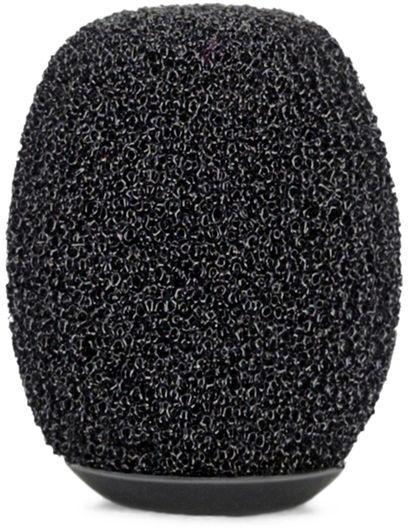

Similar search terms for Rode
Top-Angebote
Products related to Rode:
-
Orbit Baby Toddler Stroller Seat for Orbit Stroller in Mocha and KhakiThis unique toddler seat attaches directly to your Orbit Stroller base, allowing you to enjoy the amazing Orbit system well beyond babyhood. Like the Infant Seat, the Toddler Stroller Seat rotates 360 degrees on the stroller base, allowing your...154,00 $*Shipping: 0,00 $Secure redirect to the provider
-
Orbit Baby G5 Stroller360-degree rotation + 3 reclining positions; Quadshock front wheel premium suspension system; Compact 3D fold fits in small car trunks; Made of light weight aerospace-grade aluminum; Memory foam cushioning; Full-coverage, water-repellent UPF 50+...1300,00 $*Shipping: 0,00 $Secure redirect to the provider
-
Orbit Baby M+ StrollerThe M+ Stroller pairs Orbits iconic 360 rotation with travel flexibility in a streamlined frame, delivering a compact system built for everyday movement and lasting performance. 360 Rotating Stroller Seat; Compact Modular Frame; All-in-One Fold with...699,00 $*Shipping: 0,00 $Secure redirect to the provider


-
Should I choose the Rode NT1A or the Rode NTUSB?
The choice between the Rode NT1A and the Rode NTUSB depends on your specific needs. If you are looking for a high-quality condenser microphone for studio recording, the Rode NT1A is a great option known for its clarity and low self-noise. On the other hand, if you need a versatile microphone that can be easily connected to your computer for podcasting or voiceovers, the Rode NTUSB with its USB connectivity might be more suitable. Consider your intended use and connectivity requirements before making a decision. **
-
Which microphone is better, the Rode Procaster or the Rode NT1A?
The Rode Procaster and the Rode NT1A are both high-quality microphones, but they are designed for different purposes. The Procaster is a dynamic microphone that is ideal for broadcasting, podcasting, and voiceover work, as it has a tight polar pattern that helps to minimize background noise. On the other hand, the NT1A is a large-diaphragm condenser microphone that is better suited for recording vocals and acoustic instruments in a studio setting, as it has a wider frequency response and a more detailed sound. Ultimately, the better microphone depends on the specific use case and the desired sound quality. **
-
What is the difference between the Rode PodMic and the Rode Procaster?
The Rode PodMic and the Rode Procaster are both dynamic microphones designed for broadcasting and podcasting. The main difference between the two is their intended use and design. The PodMic is more compact and lightweight, making it ideal for mounting on a boom arm or a microphone stand. On the other hand, the Procaster is larger and heavier, with a built-in pop filter and shock mount, making it better suited for professional studio settings where sound isolation is important. Additionally, the Procaster has a slightly wider frequency response range compared to the PodMic, resulting in a more detailed and nuanced sound capture. **
-
Should I buy the Rode NT USB or the Rode NT1-A?
The decision between the Rode NT USB and the Rode NT1-A depends on your specific needs and preferences. The Rode NT USB is a convenient plug-and-play option for recording directly to a computer, making it great for podcasting, voiceovers, and home recording. On the other hand, the Rode NT1-A is a studio-quality condenser microphone that requires an audio interface or mixer for recording, but it offers superior sound quality and versatility for professional studio recording. Consider your recording setup, intended use, and budget to determine which microphone is the best fit for you. **


Why is the Rode AI-1 not recognized with the Rode NT1-A?
The Rode AI-1 is not recognized with the Rode NT1-A because they are two separate pieces of audio equipment that serve different purposes. The Rode AI-1 is an audio interface, designed to connect microphones and instruments to a computer for recording and playback, while the Rode NT1-A is a large-diaphragm condenser microphone used for capturing high-quality vocal and instrument recordings. While they can be used together in a recording setup, they are not inherently recognized as a pair because they are independent pieces of equipment with different functions. **
What is the difference between the Rode PodMic and the Rode NT1-A?
The Rode PodMic is a dynamic microphone designed specifically for podcasting and broadcasting, with a tailored frequency response for speech. It is more focused on capturing the human voice and rejecting background noise. On the other hand, the Rode NT1-A is a large-diaphragm condenser microphone known for its versatility and ability to capture a wide range of sounds with high detail and clarity. It is often used for recording vocals, instruments, and other audio sources in a studio setting. The NT1-A requires phantom power to operate, while the PodMic does not. **
Top-Angebote
Products related to Rode:
-
RODE Wireless GO II Dual Channel Microphone System - BlackDescription Capture professional-quality audio anywhere with the RØDE Wireless GO II Ultra-Compact Dual-Channel Wireless Microphone System. Designed for filmmakers, content creators, vloggers, interviewers, and broadcasters, this versatile wireless microphone system delivers crystal-clear sound with reliable long-range performance. Featuring two transmitters and one receiver, the Wireless GO II allows dual-channel recording for interviews, presentations, and multi-person content creation. Each transmitter includes a built-in microphone, while the compact design makes it easy to attach and use with cameras, smartphones, computers, and other compatible devices. With onboard recording, up to 200m wireless range, advanced security features, and flexible output options, the RØDE Wireless GO II provides professional audio quality for filmmaking, podcasts, streaming, and social media content.185,99 £*Shipping: 0,00 £Secure redirect to the provider
-
Orbit Baby Toddler Stroller Seat for Orbit Stroller in Mocha and KhakiThis unique toddler seat attaches directly to your Orbit Stroller base, allowing you to enjoy the amazing Orbit system well beyond babyhood. Like the Infant Seat, the Toddler Stroller Seat rotates 360 degrees on the stroller base, allowing your...154,00 $*Shipping: 0,00 $Secure redirect to the provider
-
Which microphone is better: the Rode NT USB, the Rode NT1, or the Rode NT1-A?
The Rode NT1 and the Rode NT1-A are both professional-grade studio condenser microphones, while the Rode NT USB is a USB microphone designed for easy plug-and-play use. The Rode NT1 and NT1-A are known for their low self-noise and high sensitivity, making them ideal for recording vocals and acoustic instruments in a studio setting. The Rode NT USB, on the other hand, is more convenient for podcasting, voiceovers, and home recording due to its USB connectivity. The choice between the three depends on the specific use case and the desired level of convenience and professional quality. **
-
Which is better, the Rode VideoMic NTG or the Rode NT-USB? Or the Rode VideoMicro?
The Rode VideoMic NTG is better for professional video production due to its superior sound quality, directional pickup pattern, and versatile features such as gain control and safety channel. The Rode NT-USB is better for recording vocals and instruments in a studio setting, as it offers high-quality condenser microphone technology and a built-in pop shield. The Rode VideoMicro is a more budget-friendly option for casual video recording, offering good sound quality in a compact and lightweight design. Ultimately, the best choice depends on the specific needs and preferences of the user. **
-
Should I choose the Rode NT1A or the Rode NTUSB?
The choice between the Rode NT1A and the Rode NTUSB depends on your specific needs. If you are looking for a high-quality condenser microphone for studio recording, the Rode NT1A is a great option known for its clarity and low self-noise. On the other hand, if you need a versatile microphone that can be easily connected to your computer for podcasting or voiceovers, the Rode NTUSB with its USB connectivity might be more suitable. Consider your intended use and connectivity requirements before making a decision. **
-
Which microphone is better, the Rode Procaster or the Rode NT1A?
The Rode Procaster and the Rode NT1A are both high-quality microphones, but they are designed for different purposes. The Procaster is a dynamic microphone that is ideal for broadcasting, podcasting, and voiceover work, as it has a tight polar pattern that helps to minimize background noise. On the other hand, the NT1A is a large-diaphragm condenser microphone that is better suited for recording vocals and acoustic instruments in a studio setting, as it has a wider frequency response and a more detailed sound. Ultimately, the better microphone depends on the specific use case and the desired sound quality. **
Similar search terms for Rode
-
Orbit Baby G5 Stroller360-degree rotation + 3 reclining positions; Quadshock front wheel premium suspension system; Compact 3D fold fits in small car trunks; Made of light weight aerospace-grade aluminum; Memory foam cushioning; Full-coverage, water-repellent UPF 50+...1300,00 $*Shipping: 0,00 $Secure redirect to the provider
-
Orbit Baby M+ StrollerThe M+ Stroller pairs Orbits iconic 360 rotation with travel flexibility in a streamlined frame, delivering a compact system built for everyday movement and lasting performance. 360 Rotating Stroller Seat; Compact Modular Frame; All-in-One Fold with...699,00 $*Shipping: 0,00 $Secure redirect to the provider
-
Orbit Baby G5 Stroller360-degree rotation + 3 reclining positions; Quadshock front wheel premium suspension system; Compact 3D fold fits in small car trunks; Made of light weight aerospace-grade aluminum; Memory foam cushioning; Full-coverage, water-repellent UPF 50+...1300,00 $*Shipping: 0,00 $Secure redirect to the provider
-
Orbit Baby G5 Stroller360-degree rotation + 3 reclining positions; Quadshock front wheel premium suspension system; Compact 3D fold fits in small car trunks; Made of light weight aerospace-grade aluminum; Memory foam cushioning; Full-coverage, water-repellent UPF 50+...1300,00 $*Shipping: 0,00 $Secure redirect to the provider
-
What is the difference between the Rode PodMic and the Rode Procaster?
The Rode PodMic and the Rode Procaster are both dynamic microphones designed for broadcasting and podcasting. The main difference between the two is their intended use and design. The PodMic is more compact and lightweight, making it ideal for mounting on a boom arm or a microphone stand. On the other hand, the Procaster is larger and heavier, with a built-in pop filter and shock mount, making it better suited for professional studio settings where sound isolation is important. Additionally, the Procaster has a slightly wider frequency response range compared to the PodMic, resulting in a more detailed and nuanced sound capture. **
-
Should I buy the Rode NT USB or the Rode NT1-A?
The decision between the Rode NT USB and the Rode NT1-A depends on your specific needs and preferences. The Rode NT USB is a convenient plug-and-play option for recording directly to a computer, making it great for podcasting, voiceovers, and home recording. On the other hand, the Rode NT1-A is a studio-quality condenser microphone that requires an audio interface or mixer for recording, but it offers superior sound quality and versatility for professional studio recording. Consider your recording setup, intended use, and budget to determine which microphone is the best fit for you. **
-
Why is the Rode AI-1 not recognized with the Rode NT1-A?
The Rode AI-1 is not recognized with the Rode NT1-A because they are two separate pieces of audio equipment that serve different purposes. The Rode AI-1 is an audio interface, designed to connect microphones and instruments to a computer for recording and playback, while the Rode NT1-A is a large-diaphragm condenser microphone used for capturing high-quality vocal and instrument recordings. While they can be used together in a recording setup, they are not inherently recognized as a pair because they are independent pieces of equipment with different functions. **
-
What is the difference between the Rode PodMic and the Rode NT1-A?
The Rode PodMic is a dynamic microphone designed specifically for podcasting and broadcasting, with a tailored frequency response for speech. It is more focused on capturing the human voice and rejecting background noise. On the other hand, the Rode NT1-A is a large-diaphragm condenser microphone known for its versatility and ability to capture a wide range of sounds with high detail and clarity. It is often used for recording vocals, instruments, and other audio sources in a studio setting. The NT1-A requires phantom power to operate, while the PodMic does not. **
* All prices are inclusive of VAT and, if applicable, plus shipping costs. The offer information is based on the details provided by the respective shop and is updated through automated processes. Real-time updates do not occur, so deviations can occur in individual cases. ** Note: Parts of this content were created by AI.