Buy satellit.eu ?
We are moving the project
satellit.eu .
Are you interested in purchasing the domain
satellit.eu ?
domain@kv-gmbh.de · 0541-91531010
Buy satellit.eu ?
What are similarity ratios?
Similarity ratios are ratios that compare the corresponding sides of two similar figures. They help us understand the relationship between the sides of similar shapes. The ratio of corresponding sides in similar figures is always the same, which means that if you know the ratio of one pair of sides, you can use it to find the ratio of other pairs of sides. Similarity ratios are important in geometry and are used to solve problems involving similar figures. **
What is the difference between similarity theorem 1 and similarity theorem 2?
Similarity theorem 1, also known as the Angle-Angle (AA) similarity theorem, states that if two angles of one triangle are congruent to two angles of another triangle, then the triangles are similar. On the other hand, similarity theorem 2, also known as the Side-Angle-Side (SAS) similarity theorem, states that if two sides of one triangle are proportional to two sides of another triangle and the included angles are congruent, then the triangles are similar. The main difference between the two theorems is the criteria for establishing similarity - AA theorem focuses on angle congruence, while SAS theorem focuses on both side proportionality and angle congruence. **
Similar search terms for Similarity
Top-Angebote
Products related to Similarity:
-
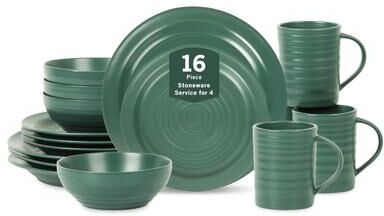
Stone Lain Orbit Stoneware Dinnerware SetStone Lain Orbit 16-Piece Round Stoneware Dinnerware Set, Service for 4 with Dinner Plates, Salad Plates, Bowls & Mugs, Durable Ceramic Kitchen Tableware, Dishwasher & Microwave Safe - New Bring coordinated style and functionality to your table with...109,99 $*Shipping: 0,00 $Secure redirect to the provider
-
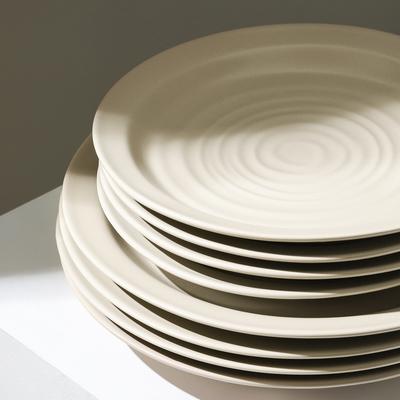
Stone Lain Orbit Stoneware Dinnerware SetModern sophistication pairs effortlessly with natural style in Orbit, a stoneware dinnerware collection by Stone Lain. Orbit's circular patterning, matte finish and earthy colorways create an overall look that's all about understated flair.101,99 $*Shipping: 0,00 $Secure redirect to the provider
-
Stone Lain Orbit Stoneware Dinnerware SetModern sophistication pairs effortlessly with natural style in Orbit, a stoneware dinnerware collection by Stone Lain. Orbit's circular patterning, matte finish and earthy colorways create an overall look that's all about understated flair.189,99 $*Shipping: 0,00 $Secure redirect to the provider
-
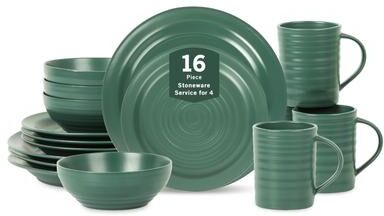
Stone Lain Orbit Stoneware Dinnerware SetStone Lain Orbit 16-Piece Round Stoneware Dinnerware Set, Service for 4 with Dinner Plates, Salad Plates, Bowls & Mugs, Durable Ceramic Kitchen Tableware, Dishwasher & Microwave Safe - New Bring coordinated style and functionality to your table with...102,49 $*Shipping: 0,00 $Secure redirect to the provider

-
How can one calculate the similarity factor to determine the similarity of triangles?
The similarity factor can be calculated by comparing the corresponding sides of two triangles. To do this, one can divide the length of one side of the first triangle by the length of the corresponding side of the second triangle. This process is repeated for all three pairs of corresponding sides. If the ratios of the corresponding sides are equal, then the triangles are similar, and the similarity factor will be 1. If the ratios are not equal, the similarity factor will be the ratio of the two triangles' areas. **
-
How can the similarity factor for determining the similarity of triangles be calculated?
The similarity factor for determining the similarity of triangles can be calculated by comparing the corresponding sides of the two triangles. If the ratio of the lengths of the corresponding sides of the two triangles is the same, then the triangles are similar. This ratio can be calculated by dividing the length of one side of a triangle by the length of the corresponding side of the other triangle. If all three ratios of corresponding sides are equal, then the triangles are similar. This is known as the similarity factor and is used to determine the similarity of triangles. **
-
What is the similarity between a rocket in orbit and a stone on the Earth?
The similarity between a rocket in orbit and a stone on the Earth is that both are subject to the force of gravity. In the case of the rocket, it is constantly falling towards the Earth due to gravity, but its high speed allows it to continuously miss the Earth and remain in orbit. Similarly, the stone on the Earth is also affected by gravity, causing it to be pulled towards the Earth's center. Both the rocket and the stone are influenced by the same fundamental force, gravity, despite their different behaviors and locations. **
-
What is the similarity ratio?
The similarity ratio is a comparison of the corresponding sides of two similar figures. It is used to determine how the dimensions of one figure compare to the dimensions of another figure when they are similar. The ratio is calculated by dividing the length of a side of one figure by the length of the corresponding side of the other figure. This ratio remains constant for all pairs of corresponding sides in similar figures. **


Is mirroring allowed in similarity?
Yes, mirroring is allowed in similarity. Mirroring is a technique used to create similarity by reflecting the actions, behaviors, or emotions of another person. It can help to establish rapport and build connections with others by showing that you understand and relate to their experiences. However, it is important to use mirroring in a genuine and respectful way, and to be mindful of the other person's comfort level and boundaries. **
Is there a similarity here?
Yes, there is a similarity here. Both situations involve individuals or groups facing challenges and obstacles, and needing to find creative solutions to overcome them. In both cases, there is a need for resilience, determination, and adaptability in order to succeed. Additionally, both situations highlight the importance of teamwork and collaboration in achieving a common goal. **
Top-Angebote
Products related to Similarity:
-
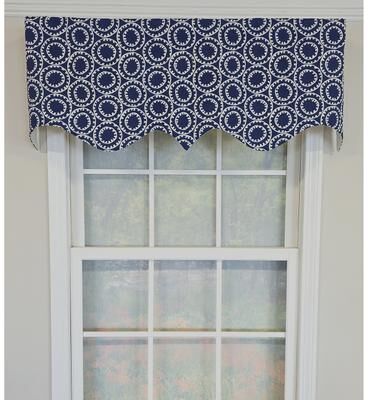
RLF Home Orbit Regal Valance"RLF Home Orbit Geometric Regal Valance. Fits window up to 48""W. Add multiples for wider windows. Use a 2-1/2"" Continental rod, a regular 3/4"" rod, tension rod or decorative pole no more than 1-3/8"" diameter (NOT INCLUDED)."62,99 $*Shipping: 0,00 $Secure redirect to the provider
-
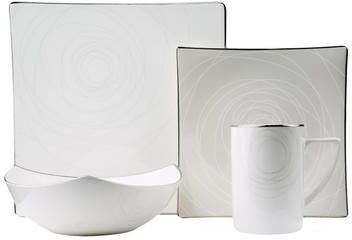
Red Vanilla Orbit 4Pc Place SettingTurn your dinner from nice to unforgettable with this four-piece place setting that features high-quality bone china construction for lasting beauty. This setting features an elegant white-and-gold finish to complement your dining area decor.119,49 $*Shipping: 0,00 $Secure redirect to the provider
-
Stone Lain Orbit Stoneware Dinnerware SetStone Lain Orbit 16-Piece Round Stoneware Dinnerware Set, Service for 4 with Dinner Plates, Salad Plates, Bowls & Mugs, Durable Ceramic Kitchen Tableware, Dishwasher & Microwave Safe - New Bring coordinated style and functionality to your table with...109,99 $*Shipping: 0,00 $Secure redirect to the provider
-
Stone Lain Orbit Stoneware Dinnerware SetModern sophistication pairs effortlessly with natural style in Orbit, a stoneware dinnerware collection by Stone Lain. Orbit's circular patterning, matte finish and earthy colorways create an overall look that's all about understated flair.101,99 $*Shipping: 0,00 $Secure redirect to the provider
-
What are similarity ratios?
Similarity ratios are ratios that compare the corresponding sides of two similar figures. They help us understand the relationship between the sides of similar shapes. The ratio of corresponding sides in similar figures is always the same, which means that if you know the ratio of one pair of sides, you can use it to find the ratio of other pairs of sides. Similarity ratios are important in geometry and are used to solve problems involving similar figures. **
-
What is the difference between similarity theorem 1 and similarity theorem 2?
Similarity theorem 1, also known as the Angle-Angle (AA) similarity theorem, states that if two angles of one triangle are congruent to two angles of another triangle, then the triangles are similar. On the other hand, similarity theorem 2, also known as the Side-Angle-Side (SAS) similarity theorem, states that if two sides of one triangle are proportional to two sides of another triangle and the included angles are congruent, then the triangles are similar. The main difference between the two theorems is the criteria for establishing similarity - AA theorem focuses on angle congruence, while SAS theorem focuses on both side proportionality and angle congruence. **
-
How can one calculate the similarity factor to determine the similarity of triangles?
The similarity factor can be calculated by comparing the corresponding sides of two triangles. To do this, one can divide the length of one side of the first triangle by the length of the corresponding side of the second triangle. This process is repeated for all three pairs of corresponding sides. If the ratios of the corresponding sides are equal, then the triangles are similar, and the similarity factor will be 1. If the ratios are not equal, the similarity factor will be the ratio of the two triangles' areas. **
-
How can the similarity factor for determining the similarity of triangles be calculated?
The similarity factor for determining the similarity of triangles can be calculated by comparing the corresponding sides of the two triangles. If the ratio of the lengths of the corresponding sides of the two triangles is the same, then the triangles are similar. This ratio can be calculated by dividing the length of one side of a triangle by the length of the corresponding side of the other triangle. If all three ratios of corresponding sides are equal, then the triangles are similar. This is known as the similarity factor and is used to determine the similarity of triangles. **
Similar search terms for Similarity
-
Stone Lain Orbit Stoneware Dinnerware SetModern sophistication pairs effortlessly with natural style in Orbit, a stoneware dinnerware collection by Stone Lain. Orbit's circular patterning, matte finish and earthy colorways create an overall look that's all about understated flair.189,99 $*Shipping: 0,00 $Secure redirect to the provider
-
Stone Lain Orbit Stoneware Dinnerware SetStone Lain Orbit 16-Piece Round Stoneware Dinnerware Set, Service for 4 with Dinner Plates, Salad Plates, Bowls & Mugs, Durable Ceramic Kitchen Tableware, Dishwasher & Microwave Safe - New Bring coordinated style and functionality to your table with...102,49 $*Shipping: 0,00 $Secure redirect to the provider
-
Stone Lain Orbit Stoneware Dinnerware SetStone Lain Orbit 16-Piece Round Stoneware Dinnerware Set, Service for 4 with Dinner Plates, Salad Plates, Bowls & Mugs, Durable Ceramic Kitchen Tableware, Dishwasher & Microwave Safe - New Bring coordinated style and functionality to your table with...179,99 $*Shipping: 0,00 $Secure redirect to the provider
-
Stone Lain Orbit Stoneware Dinnerware SetStone Lain Orbit 16-Piece Round Stoneware Dinnerware Set, Service for 4 with Dinner Plates, Salad Plates, Bowls & Mugs, Durable Ceramic Kitchen Tableware, Dishwasher & Microwave Safe - New Bring coordinated style and functionality to your table with...109,99 $*Shipping: 0,00 $Secure redirect to the provider
-
What is the similarity between a rocket in orbit and a stone on the Earth?
The similarity between a rocket in orbit and a stone on the Earth is that both are subject to the force of gravity. In the case of the rocket, it is constantly falling towards the Earth due to gravity, but its high speed allows it to continuously miss the Earth and remain in orbit. Similarly, the stone on the Earth is also affected by gravity, causing it to be pulled towards the Earth's center. Both the rocket and the stone are influenced by the same fundamental force, gravity, despite their different behaviors and locations. **
-
What is the similarity ratio?
The similarity ratio is a comparison of the corresponding sides of two similar figures. It is used to determine how the dimensions of one figure compare to the dimensions of another figure when they are similar. The ratio is calculated by dividing the length of a side of one figure by the length of the corresponding side of the other figure. This ratio remains constant for all pairs of corresponding sides in similar figures. **
-
Is mirroring allowed in similarity?
Yes, mirroring is allowed in similarity. Mirroring is a technique used to create similarity by reflecting the actions, behaviors, or emotions of another person. It can help to establish rapport and build connections with others by showing that you understand and relate to their experiences. However, it is important to use mirroring in a genuine and respectful way, and to be mindful of the other person's comfort level and boundaries. **
-
Is there a similarity here?
Yes, there is a similarity here. Both situations involve individuals or groups facing challenges and obstacles, and needing to find creative solutions to overcome them. In both cases, there is a need for resilience, determination, and adaptability in order to succeed. Additionally, both situations highlight the importance of teamwork and collaboration in achieving a common goal. **
* All prices are inclusive of VAT and, if applicable, plus shipping costs. The offer information is based on the details provided by the respective shop and is updated through automated processes. Real-time updates do not occur, so deviations can occur in individual cases. ** Note: Parts of this content were created by AI.