Buy satellit.eu ?
We are moving the project
satellit.eu .
Are you interested in purchasing the domain
satellit.eu ?
domain@kv-gmbh.de · 0541-91531010
Buy satellit.eu ?
Does the daughter cell have the same cell type as the mother cell?
The daughter cell may or may not have the same cell type as the mother cell. During cell division, if the daughter cell undergoes differentiation, it may develop into a different cell type than the mother cell. However, if the daughter cell undergoes mitosis, it will be an exact copy of the mother cell and will have the same cell type. Therefore, whether the daughter cell has the same cell type as the mother cell depends on the specific context of the cell division process. **
What are half-cell reactions and cell reactions?
Half-cell reactions are the individual chemical reactions that occur at each electrode in an electrochemical cell. In a half-cell reaction, electrons are either gained or lost, resulting in a change in oxidation state of the species involved. When two half-cell reactions are combined, they form a complete cell reaction, which describes the overall chemical process that occurs in the electrochemical cell. The cell reaction represents the overall flow of electrons and the transfer of species between the two half-cells. **

Similar search terms for Cell
Top-Angebote
Products related to Cell:
-
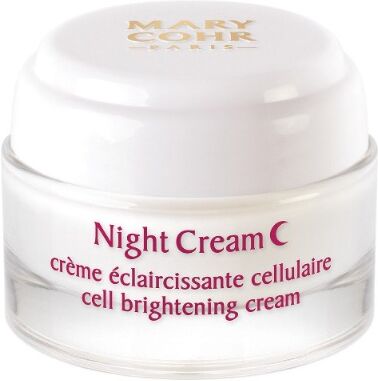
Mary Cohr Cell Brightening Cream 50mlThe Mary Cohr Cell Brightening Cream gives a soft, matt finish, combines two cellular actions on pigmentation: it visibly unifies the complexion and it lessens the appearance of pigmentation spots. Key benefits include: Brightens and evens the complexion Dark spots are reduced Vitamin C visibly brightens the complexion and refines the skin’s texture Melanoxyl reduces-UV-induced melanin production Suitable for Pigmented Skin Types. Ingredients water (aqua), glycerin, butylene glycol, cetearyl isononanoate, arachidyl alcohol, caprylic/capric/succinic triglyceride, dimeticone, hydrogenated polyisobutene, pentylene glycol, behenyl alcohol, sodium ascorbyl phosphate, cetyl alcohol, cyclopentasiloxane, ethylhexylglycerin, arachidyl glucoside, cyclohexasiloxane, hydroxyethyl acrylate/sodium acyloyldimethyl taurate copolymer, fragrance (parfum), acrylates/c 10-30 alkyl acrylate crosspolymer, xanthan gum, triethanolamine, bht, disodium edta, glyceryl acrylate/acrlyic acid copolymer, propylene glycol, brassica napus extract, polysorbate 60, sorbitan isostearae, linalool, geraniol, citronellol, ascorbyl palmitate, alpha-isomethyl ionone, citric acid, glyceryl oleate, glyceryl stearate.48,40 £*Shipping: 0,00 £Secure redirect to the provider
-
MEDIPEEL+ Cell Toxing lifting serum 100 mlMEDIPEEL+ Cell Toxing, 100 ml, Skin Serums for Women, Does it feel as though your skin needs something more than just the care provided by a cream? The MEDIPEEL+ Cell Toxing facial serum is the perfect product to enrich your skincare routine – it pampers the skin and delivers an intensive treatment. With its high concentration of active ingredients, the effect it has on your skin is far more pronounced and faster than with a face cream. Its liquid consistency makes application easier, as it is absorbed into the skin very well. Characteristics: helps to smooth out wrinkles and fine lines improves skin density restores skin elasticity restores freshness and youthful beauty to your skin prevents wrinkles How to use: Dab an appropriate amount of the serum gently into clean skin with your fingertips. Apply to the face, neck and chest.28,50 £*Shipping: 3,99 £Secure redirect to the provider



-
How does each cell arise from another cell?
Each cell arises from another cell through the process of cell division. During cell division, a parent cell duplicates its genetic material and then divides into two daughter cells. This process can occur through either mitosis, which produces two identical daughter cells, or meiosis, which produces four daughter cells with half the genetic material of the parent cell. In both cases, the new cells inherit their genetic material from the parent cell and continue the cycle of growth and division. **
-
What are the cell organelles in cell biology?
Cell organelles are specialized structures within a cell that perform specific functions. Some of the main organelles in cell biology include the nucleus, which houses the cell's genetic material; mitochondria, which are responsible for producing energy; the endoplasmic reticulum, involved in protein synthesis and lipid metabolism; Golgi apparatus, which processes and packages proteins; lysosomes, which contain enzymes for breaking down waste materials; and the cytoskeleton, which provides structure and support to the cell. Each organelle plays a crucial role in the overall functioning of the cell. **
-
Why is the liver cell an animal cell?
The liver cell is an animal cell because it is a part of the liver, which is an organ found in animals. Animal cells, including liver cells, are eukaryotic cells, meaning they have a true nucleus and other membrane-bound organelles. Additionally, animal cells do not have a cell wall, which is a characteristic of plant cells. The liver cell also performs specific functions related to the metabolism and detoxification of the body, which are essential for animal physiology. **
-
Which cell components must be present in a cell?
All cells must contain certain basic components, including a cell membrane, cytoplasm, and genetic material (DNA or RNA). The cell membrane acts as a barrier, controlling the movement of substances in and out of the cell. The cytoplasm is a gel-like substance that fills the cell and contains various organelles. The genetic material carries the instructions for the cell's functions and is essential for cell division and growth. These components are necessary for the basic functions of a cell and are found in all types of cells, from simple prokaryotic cells to complex eukaryotic cells. **


Where is the cell nucleus located in the cell?
The cell nucleus is typically located near the center of the cell. It is surrounded by the cytoplasm and is separated from it by the nuclear envelope, which is a double membrane structure. The nucleus contains the cell's genetic material in the form of DNA, as well as the nucleolus, which is involved in the production of ribosomes. The position of the nucleus within the cell allows it to regulate and control the cell's activities. **
What is the Daniell cell in a galvanic cell?
The Daniell cell is a type of galvanic cell that consists of a copper electrode immersed in a solution of copper sulfate and a zinc electrode immersed in a solution of zinc sulfate. The two half-cells are connected by a salt bridge or porous barrier, allowing the flow of ions to complete the circuit. In this cell, zinc undergoes oxidation at the anode, releasing electrons, which flow through the external circuit to the copper cathode where reduction occurs. This flow of electrons generates an electric current. **
Top-Angebote
Products related to Cell:
-
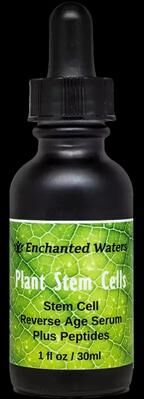
DynamicDeals Stem Cell Serum Anti Aging Real Stem Cell Cultures Matrixyl 3000 Hyaluronic Acid Stem Cell Serum Anti Aging Real Stem Cell Cultures Matrixyl 3000 Hyaluronic AcidFeatures:Enriched With REAL Plant Stem Cell CulturesFights Environmental Aggressors, Boosts CollagenRepairs Cell Damage & Enhances Skins Own DefensePeptide Rich with Matrixyl 3000Description:Weve taken these fantastic antiaging skincare geniuses and...40,97 $*Shipping: 0,00 $Secure redirect to the provider
-
Does the daughter cell have the same cell type as the mother cell?
The daughter cell may or may not have the same cell type as the mother cell. During cell division, if the daughter cell undergoes differentiation, it may develop into a different cell type than the mother cell. However, if the daughter cell undergoes mitosis, it will be an exact copy of the mother cell and will have the same cell type. Therefore, whether the daughter cell has the same cell type as the mother cell depends on the specific context of the cell division process. **
-
What are half-cell reactions and cell reactions?
Half-cell reactions are the individual chemical reactions that occur at each electrode in an electrochemical cell. In a half-cell reaction, electrons are either gained or lost, resulting in a change in oxidation state of the species involved. When two half-cell reactions are combined, they form a complete cell reaction, which describes the overall chemical process that occurs in the electrochemical cell. The cell reaction represents the overall flow of electrons and the transfer of species between the two half-cells. **
-
How does each cell arise from another cell?
Each cell arises from another cell through the process of cell division. During cell division, a parent cell duplicates its genetic material and then divides into two daughter cells. This process can occur through either mitosis, which produces two identical daughter cells, or meiosis, which produces four daughter cells with half the genetic material of the parent cell. In both cases, the new cells inherit their genetic material from the parent cell and continue the cycle of growth and division. **
-
What are the cell organelles in cell biology?
Cell organelles are specialized structures within a cell that perform specific functions. Some of the main organelles in cell biology include the nucleus, which houses the cell's genetic material; mitochondria, which are responsible for producing energy; the endoplasmic reticulum, involved in protein synthesis and lipid metabolism; Golgi apparatus, which processes and packages proteins; lysosomes, which contain enzymes for breaking down waste materials; and the cytoskeleton, which provides structure and support to the cell. Each organelle plays a crucial role in the overall functioning of the cell. **
Similar search terms for Cell
-
Mary Cohr Cell Brightening Cream 50mlThe Mary Cohr Cell Brightening Cream gives a soft, matt finish, combines two cellular actions on pigmentation: it visibly unifies the complexion and it lessens the appearance of pigmentation spots. Key benefits include: Brightens and evens the complexion Dark spots are reduced Vitamin C visibly brightens the complexion and refines the skin’s texture Melanoxyl reduces-UV-induced melanin production Suitable for Pigmented Skin Types. Ingredients water (aqua), glycerin, butylene glycol, cetearyl isononanoate, arachidyl alcohol, caprylic/capric/succinic triglyceride, dimeticone, hydrogenated polyisobutene, pentylene glycol, behenyl alcohol, sodium ascorbyl phosphate, cetyl alcohol, cyclopentasiloxane, ethylhexylglycerin, arachidyl glucoside, cyclohexasiloxane, hydroxyethyl acrylate/sodium acyloyldimethyl taurate copolymer, fragrance (parfum), acrylates/c 10-30 alkyl acrylate crosspolymer, xanthan gum, triethanolamine, bht, disodium edta, glyceryl acrylate/acrlyic acid copolymer, propylene glycol, brassica napus extract, polysorbate 60, sorbitan isostearae, linalool, geraniol, citronellol, ascorbyl palmitate, alpha-isomethyl ionone, citric acid, glyceryl oleate, glyceryl stearate.48,40 £*Shipping: 0,00 £Secure redirect to the provider
-
MEDIPEEL+ Cell Toxing lifting serum 100 mlMEDIPEEL+ Cell Toxing, 100 ml, Skin Serums for Women, Does it feel as though your skin needs something more than just the care provided by a cream? The MEDIPEEL+ Cell Toxing facial serum is the perfect product to enrich your skincare routine – it pampers the skin and delivers an intensive treatment. With its high concentration of active ingredients, the effect it has on your skin is far more pronounced and faster than with a face cream. Its liquid consistency makes application easier, as it is absorbed into the skin very well. Characteristics: helps to smooth out wrinkles and fine lines improves skin density restores skin elasticity restores freshness and youthful beauty to your skin prevents wrinkles How to use: Dab an appropriate amount of the serum gently into clean skin with your fingertips. Apply to the face, neck and chest.28,50 £*Shipping: 3,99 £Secure redirect to the provider
-
New Nordic Gentle Face Exfoliator Cell Renewal 75mLA skin-care product. It an herbal-scented facial exfoliator. Enriched with a variety of herbs, including hibiscus flowers and apricot seeds, it naturally promotes cell renewal and skin regeneration. Hibiscus flowers and apricot seeds naturally support skin cell renewal and regeneration, improving the hydration of the upper epidermal layer.13,62 £*Shipping: 5,34 £Secure redirect to the provider
-
Why is the liver cell an animal cell?
The liver cell is an animal cell because it is a part of the liver, which is an organ found in animals. Animal cells, including liver cells, are eukaryotic cells, meaning they have a true nucleus and other membrane-bound organelles. Additionally, animal cells do not have a cell wall, which is a characteristic of plant cells. The liver cell also performs specific functions related to the metabolism and detoxification of the body, which are essential for animal physiology. **
-
Which cell components must be present in a cell?
All cells must contain certain basic components, including a cell membrane, cytoplasm, and genetic material (DNA or RNA). The cell membrane acts as a barrier, controlling the movement of substances in and out of the cell. The cytoplasm is a gel-like substance that fills the cell and contains various organelles. The genetic material carries the instructions for the cell's functions and is essential for cell division and growth. These components are necessary for the basic functions of a cell and are found in all types of cells, from simple prokaryotic cells to complex eukaryotic cells. **
-
Where is the cell nucleus located in the cell?
The cell nucleus is typically located near the center of the cell. It is surrounded by the cytoplasm and is separated from it by the nuclear envelope, which is a double membrane structure. The nucleus contains the cell's genetic material in the form of DNA, as well as the nucleolus, which is involved in the production of ribosomes. The position of the nucleus within the cell allows it to regulate and control the cell's activities. **
-
What is the Daniell cell in a galvanic cell?
The Daniell cell is a type of galvanic cell that consists of a copper electrode immersed in a solution of copper sulfate and a zinc electrode immersed in a solution of zinc sulfate. The two half-cells are connected by a salt bridge or porous barrier, allowing the flow of ions to complete the circuit. In this cell, zinc undergoes oxidation at the anode, releasing electrons, which flow through the external circuit to the copper cathode where reduction occurs. This flow of electrons generates an electric current. **
* All prices are inclusive of VAT and, if applicable, plus shipping costs. The offer information is based on the details provided by the respective shop and is updated through automated processes. Real-time updates do not occur, so deviations can occur in individual cases. ** Note: Parts of this content were created by AI.