Buy satellit.eu ?
We are moving the project
satellit.eu .
Are you interested in purchasing the domain
satellit.eu ?
domain@kv-gmbh.de · 0541-91531010
Buy satellit.eu ?
What is a possessive determiner?
A possessive determiner is a word that is used before a noun to show ownership or possession. Examples of possessive determiners include words like "my," "your," "his," "her," "its," "our," and "their." These determiners indicate who the noun belongs to or is associated with. **
What is a possessive determiner in French?
A possessive determiner in French is a word that indicates ownership or possession. It agrees in gender and number with the noun it is describing. Examples of possessive determiners in French include "mon" (my), "ton" (your), "son" (his/her/its), "notre" (our), and "leur" (their). These determiners are placed before the noun they modify. **
Similar search terms for Determiner
Top-Angebote
Products related to Determiner:
-
Graham & Brown Orbit White Grey WallpaperCreate a calming atmosphere by using Orbit White Grey wallpaper. Created with a luxurious white and grey palette, this beautiful heavyweight wallpaper is ideal for using on all four walls to create a sumptuous haven.170,00 $*Shipping: 0,00 $Secure redirect to the provider
-
Graham & Brown Orbit Deep Silver WallpaperCreate a calming atmosphere by using Orbit Deep Silver wallpaper. Created with a luxurious silver and gray palette, this beautiful heavyweight wallpaper is ideal for using on all four walls to create a sumptuous haven.170,00 $*Shipping: 0,00 $Secure redirect to the provider
-
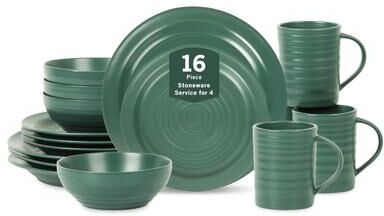
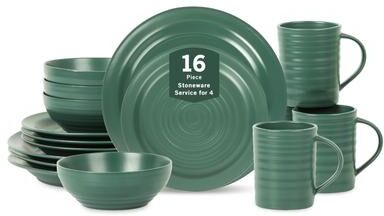
Stone Lain Orbit Stoneware Dinnerware SetStone Lain Orbit 16-Piece Round Stoneware Dinnerware Set, Service for 4 with Dinner Plates, Salad Plates, Bowls & Mugs, Durable Ceramic Kitchen Tableware, Dishwasher & Microwave Safe - New Bring coordinated style and functionality to your table with...109,99 $*Shipping: 0,00 $Secure redirect to the provider
-
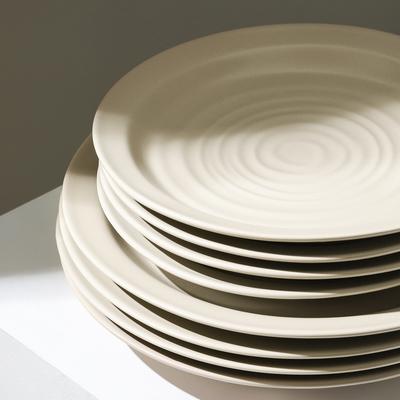
Stone Lain Orbit Stoneware Dinnerware SetModern sophistication pairs effortlessly with natural style in Orbit, a stoneware dinnerware collection by Stone Lain. Orbit's circular patterning, matte finish and earthy colorways create an overall look that's all about understated flair.101,99 $*Shipping: 0,00 $Secure redirect to the provider


-
What is a possessive determiner in English?
A possessive determiner in English is a word that is used before a noun to show ownership or possession. Examples of possessive determiners include "my," "your," "his," "her," "its," "our," and "their." These determiners indicate who the noun belongs to or is associated with. Possessive determiners are an essential part of grammar as they help clarify relationships between people or things. **
-
Does French have the demonstrative determiner "cettes"?
No, French does not have the demonstrative determiner "cettes." The correct forms of the demonstrative determiner in French are "cette" for singular feminine nouns, "ce" for singular masculine nouns, and "ces" for plural nouns regardless of gender. "Cettes" is not a standard form in the French language. **
-
Do you capitalize adjectives when they are preceded by a determiner?
In English, adjectives are not capitalized when they are preceded by a determiner. Determiners are words like "the," "a," "an," "this," "my," etc. Adjectives are only capitalized when they are at the beginning of a sentence or part of a proper noun. **
-
Do you write adjectives in capital or lowercase letters when there is a determiner before them?
Adjectives are typically written in lowercase letters when there is a determiner before them. Determiners such as articles (a, an, the), possessive pronouns (my, your, his), and demonstratives (this, that) are usually written in lowercase, while the adjective that follows them is also written in lowercase. This maintains consistency in sentence structure and follows standard grammar rules. **

In French, do you use an apostrophe with the interrogative pronoun "quelle" and the possessive determiner "ma"?
Yes, in French, you use an apostrophe with the interrogative pronoun "quelle" and the possessive determiner "ma" when they are followed by a word starting with a vowel or a silent "h". For example, "quelle est ton adresse?" (What is your address?) and "ma amie" (my friend). **
What does Übertragung mean?
Übertragung is a German word that translates to "transference" or "transfer" in English. In the context of psychology and psychoanalysis, Übertragung refers to the process by which a person's feelings and attitudes towards one person are unconsciously transferred or projected onto another person, often based on past experiences and relationships. This concept is central to the therapeutic relationship and is explored in depth in psychoanalytic therapy. **
Top-Angebote
Products related to Determiner:
-
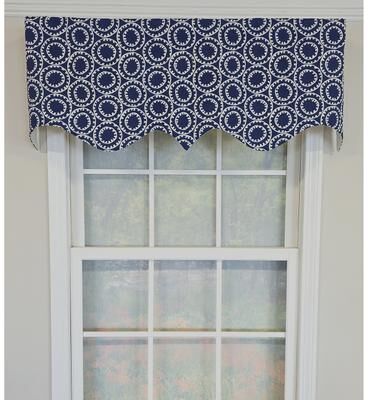
RLF Home Orbit Regal Valance"RLF Home Orbit Geometric Regal Valance. Fits window up to 48""W. Add multiples for wider windows. Use a 2-1/2"" Continental rod, a regular 3/4"" rod, tension rod or decorative pole no more than 1-3/8"" diameter (NOT INCLUDED)."50,39 $*Shipping: 0,00 $Secure redirect to the provider
-
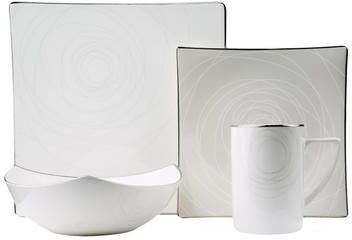
Red Vanilla Orbit 4Pc Place SettingTurn your dinner from nice to unforgettable with this four-piece place setting that features high-quality bone china construction for lasting beauty. This setting features an elegant white-and-gold finish to complement your dining area decor.119,49 $*Shipping: 0,00 $Secure redirect to the provider
-
Graham & Brown Orbit White Grey WallpaperCreate a calming atmosphere by using Orbit White Grey wallpaper. Created with a luxurious white and grey palette, this beautiful heavyweight wallpaper is ideal for using on all four walls to create a sumptuous haven.170,00 $*Shipping: 0,00 $Secure redirect to the provider
-
Graham & Brown Orbit Deep Silver WallpaperCreate a calming atmosphere by using Orbit Deep Silver wallpaper. Created with a luxurious silver and gray palette, this beautiful heavyweight wallpaper is ideal for using on all four walls to create a sumptuous haven.170,00 $*Shipping: 0,00 $Secure redirect to the provider
-
What is a possessive determiner?
A possessive determiner is a word that is used before a noun to show ownership or possession. Examples of possessive determiners include words like "my," "your," "his," "her," "its," "our," and "their." These determiners indicate who the noun belongs to or is associated with. **
-
What is a possessive determiner in French?
A possessive determiner in French is a word that indicates ownership or possession. It agrees in gender and number with the noun it is describing. Examples of possessive determiners in French include "mon" (my), "ton" (your), "son" (his/her/its), "notre" (our), and "leur" (their). These determiners are placed before the noun they modify. **
-
What is a possessive determiner in English?
A possessive determiner in English is a word that is used before a noun to show ownership or possession. Examples of possessive determiners include "my," "your," "his," "her," "its," "our," and "their." These determiners indicate who the noun belongs to or is associated with. Possessive determiners are an essential part of grammar as they help clarify relationships between people or things. **
-
Does French have the demonstrative determiner "cettes"?
No, French does not have the demonstrative determiner "cettes." The correct forms of the demonstrative determiner in French are "cette" for singular feminine nouns, "ce" for singular masculine nouns, and "ces" for plural nouns regardless of gender. "Cettes" is not a standard form in the French language. **
Similar search terms for Determiner
-
Stone Lain Orbit Stoneware Dinnerware SetStone Lain Orbit 16-Piece Round Stoneware Dinnerware Set, Service for 4 with Dinner Plates, Salad Plates, Bowls & Mugs, Durable Ceramic Kitchen Tableware, Dishwasher & Microwave Safe - New Bring coordinated style and functionality to your table with...109,99 $*Shipping: 0,00 $Secure redirect to the provider
-
Stone Lain Orbit Stoneware Dinnerware SetModern sophistication pairs effortlessly with natural style in Orbit, a stoneware dinnerware collection by Stone Lain. Orbit's circular patterning, matte finish and earthy colorways create an overall look that's all about understated flair.101,99 $*Shipping: 0,00 $Secure redirect to the provider
-
Stone Lain Orbit Stoneware Dinnerware SetModern sophistication pairs effortlessly with natural style in Orbit, a stoneware dinnerware collection by Stone Lain. Orbit's circular patterning, matte finish and earthy colorways create an overall look that's all about understated flair.189,99 $*Shipping: 0,00 $Secure redirect to the provider
-
Stone Lain Orbit Stoneware Dinnerware SetStone Lain Orbit 16-Piece Round Stoneware Dinnerware Set, Service for 4 with Dinner Plates, Salad Plates, Bowls & Mugs, Durable Ceramic Kitchen Tableware, Dishwasher & Microwave Safe - New Bring coordinated style and functionality to your table with...102,49 $*Shipping: 0,00 $Secure redirect to the provider
-
Do you capitalize adjectives when they are preceded by a determiner?
In English, adjectives are not capitalized when they are preceded by a determiner. Determiners are words like "the," "a," "an," "this," "my," etc. Adjectives are only capitalized when they are at the beginning of a sentence or part of a proper noun. **
-
Do you write adjectives in capital or lowercase letters when there is a determiner before them?
Adjectives are typically written in lowercase letters when there is a determiner before them. Determiners such as articles (a, an, the), possessive pronouns (my, your, his), and demonstratives (this, that) are usually written in lowercase, while the adjective that follows them is also written in lowercase. This maintains consistency in sentence structure and follows standard grammar rules. **
-
In French, do you use an apostrophe with the interrogative pronoun "quelle" and the possessive determiner "ma"?
Yes, in French, you use an apostrophe with the interrogative pronoun "quelle" and the possessive determiner "ma" when they are followed by a word starting with a vowel or a silent "h". For example, "quelle est ton adresse?" (What is your address?) and "ma amie" (my friend). **
-
What does Übertragung mean?
Übertragung is a German word that translates to "transference" or "transfer" in English. In the context of psychology and psychoanalysis, Übertragung refers to the process by which a person's feelings and attitudes towards one person are unconsciously transferred or projected onto another person, often based on past experiences and relationships. This concept is central to the therapeutic relationship and is explored in depth in psychoanalytic therapy. **
* All prices are inclusive of VAT and, if applicable, plus shipping costs. The offer information is based on the details provided by the respective shop and is updated through automated processes. Real-time updates do not occur, so deviations can occur in individual cases. ** Note: Parts of this content were created by AI.